Ghost Apps Are Haunting Your Headspace: A Guide to Digital Exorcism
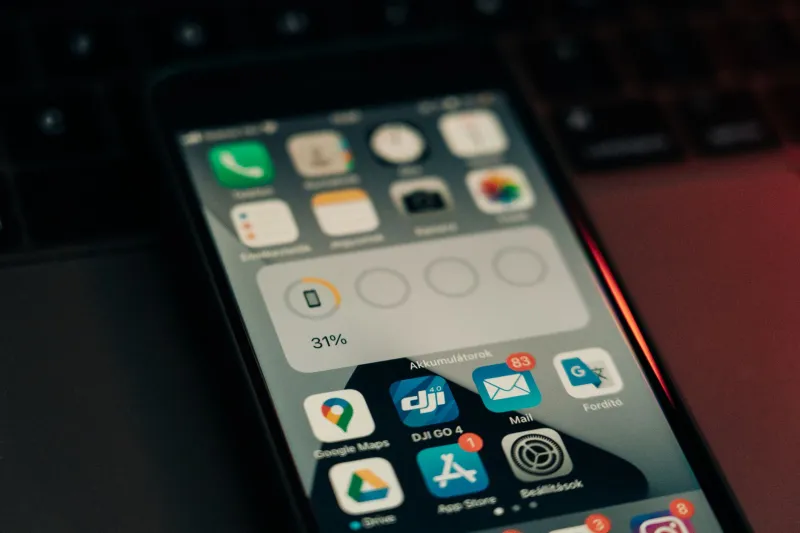
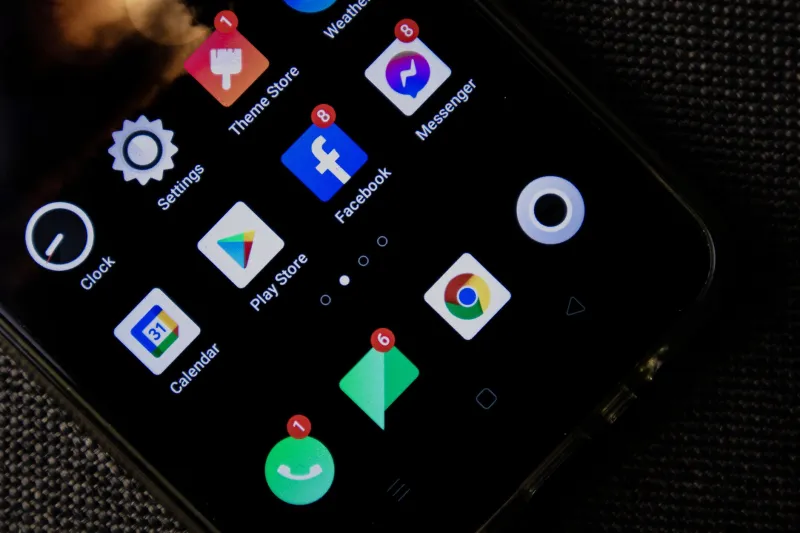
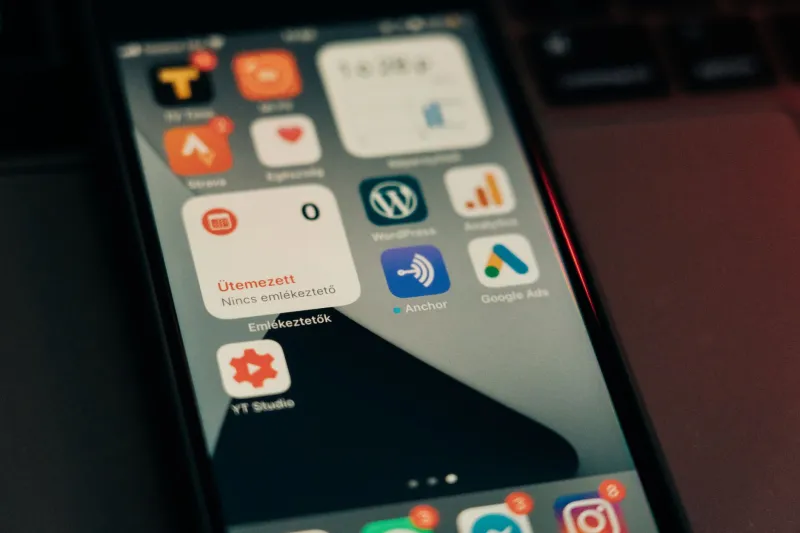
Somewhere on your phone, there's an app you haven't opened since the Obama administration. Maybe it's a fitness tracker from a January resolution that didn't survive February. Maybe it's a food delivery service you used once during a road trip through a city you've never returned to. Whatever it is, it's still alive — technically — and it's still buzzing you like it matters.
This is the notification graveyard: a quiet, invisible layer of your digital life made up entirely of apps you've emotionally checked out of but never formally ended things with. And if you've ever glanced at your lock screen and felt a flicker of guilt, confusion, or low-grade dread at a notification from something you genuinely forgot existed, you're not alone.
Why Dormant Apps Keep Calling Out to You
App developers are not naive. They know their users drift. Retention is one of the hardest problems in the industry, and push notifications are one of the primary tools companies use to fight churn. When you stop showing up, the app's job is to lure you back — with a badge, a buzz, a little red number that implies urgency where there is none.
The result is a kind of digital haunting. These apps aren't malicious, exactly. They're just doing what they were built to do. But the effect on your nervous system is real. Every unrecognized notification is a micro-interruption, a tiny moment where your brain has to context-switch, assess, and dismiss. Multiply that by a dozen dormant apps pinging you across the week, and you've got a low-level cognitive tax you're paying without even realizing it.
Research on attention fragmentation suggests that it's not just the big interruptions that cost us — it's the accumulation of small ones. Your brain doesn't distinguish between a text from your best friend and a push notification from a coupon app you signed up for in 2021. Both demand a moment of processing. Both leave a trace.
The Psychology of Not Deleting
Here's the part that doesn't get talked about enough: most of us know we should delete these apps. We know we're never going to use that meditation app that requires a $14-a-month subscription we forgot to cancel, or that social platform we joined because a coworker insisted it was "the next big thing." And yet, they sit there.
Psychologists call this kind of avoidance a form of low-stakes loss aversion. Deleting an app feels like closing a door — even one that leads nowhere. There's a vague sense that maybe you'll want it someday. Maybe you'll get back into running. Maybe you'll finally use that language learning app and become conversational in Portuguese before your trip that's been "in the planning stages" for four years.
Ignoring is easier than deciding. Ignoring lets you preserve the fantasy that you're still the person who might use that app. Deleting means admitting you're not — and there's a small, irrational grief in that.
This is what we mean when we talk about app guilt. It's not about the app. It's about the version of yourself you imagined when you downloaded it.
Conducting a Compassionate Digital Archaeology
The antidote isn't a brutal purge. Approaching your phone like you're decluttering a garage in a panic usually leads to the same result: chaos, regret, and everything back on the shelf within a week. Instead, think of what comes next as archaeology — slow, curious, and without judgment.
Start with your notification settings, not your app drawer. Go to Settings > Notifications (on both iOS and Android, this is straightforward) and scroll through the full list of apps that have permission to alert you. This list is almost always longer than you expect. For each app, ask yourself one question: When did I last open this on purpose? Not by accident, not because a notification dragged you in — on purpose. If you can't remember, that's your answer.
Create a three-category system. Apps you use regularly stay as-is. Apps you use occasionally get their notifications turned off but stay on the device. Apps you haven't touched in six months or more get deleted — gently, without ceremony, without guilt. You can always re-download something if the need genuinely arises. Storage is not the issue. Attention is.
Give yourself permission to grieve the intention, not the app. If deleting that workout tracker feels weirdly sad, sit with that for a second. You're not mourning the app — you're acknowledging a goal you set for yourself that didn't stick. That's worth a moment of honesty. And then let it go. The app was never going to make you into a different person. Neither was the notification.
What Silence Actually Sounds Like
After you've done the work — turned off the noise, cleared the clutter, said goodbye to the digital ghosts — something interesting happens. Your phone gets quieter. Obviously. But more than that, the notifications that do come through start to feel meaningful again.
When your lock screen isn't a graveyard of forgotten obligations, you can actually see what's there. A message from someone you love. A calendar reminder for something you're looking forward to. A news alert you genuinely care about. The signal-to-noise ratio improves, and with it, your relationship with your device starts to feel a little less adversarial.
This is the zen of it: not that you have fewer apps, but that every app you've kept has earned its place. Your phone becomes a curated space rather than a catch-all. And the silence between notifications stops feeling like something's wrong and starts feeling like exactly what it is — rest.
One Small Move to Start Today
You don't have to audit your entire phone this afternoon. That kind of all-or-nothing thinking is part of what got us here in the first place. Instead, do this: open your notification settings right now and turn off alerts for the first three apps on the list that you don't recognize or can't remember using. Just three. No deleting required.
See how it feels tomorrow. Chances are, you won't miss a single buzz.