Alert Blindness Is Real — and Your Brain Did It on Purpose

There's a moment — you probably can't pinpoint exactly when it happened — where your phone stopped feeling urgent. The pings kept coming, the banners kept dropping from the top of your screen, but somewhere along the way, you just... stopped noticing. You'd pick up your phone an hour later and find fourteen unread notifications staring back at you, completely unbothered.
If that sounds familiar, you haven't become a more relaxed person. Your brain has quietly declared notification bankruptcy.
And that's a bigger deal than it sounds.
What Habituation Actually Means
Neuroscientists have a word for what happens when your brain tunes out a repeated stimulus: habituation. It's one of the most fundamental forms of learning the human nervous system does. When something stops being new, stops being threatening, and stops requiring a response, the brain literally reduces its neural firing in reaction to it. The stimulus is still there — you're just no longer registering it.
This is usually a feature, not a bug. You don't consciously notice the hum of your refrigerator every second of the day. Your brain made a judgment call that it wasn't worth the energy, and filed it under "background noise."
The problem is that your nervous system is running the same process on your notifications — and it doesn't have the context to sort the important from the irrelevant. Once your brain decides that the general category of "phone alert" is low-priority noise, it starts deprioritizing the whole lot. The Duolingo owl gets the same mental shrug as your bank's fraud alert.
How We Got Here
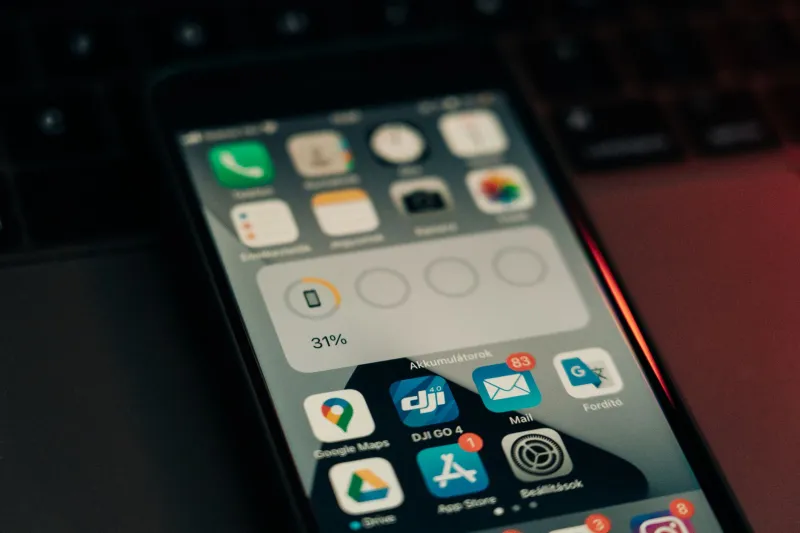
This didn't happen by accident. The average American smartphone user receives somewhere between 65 and 80 push notifications per day, depending on which study you consult. That number has been climbing steadily for years, driven largely by apps competing for the same finite resource: your attention.
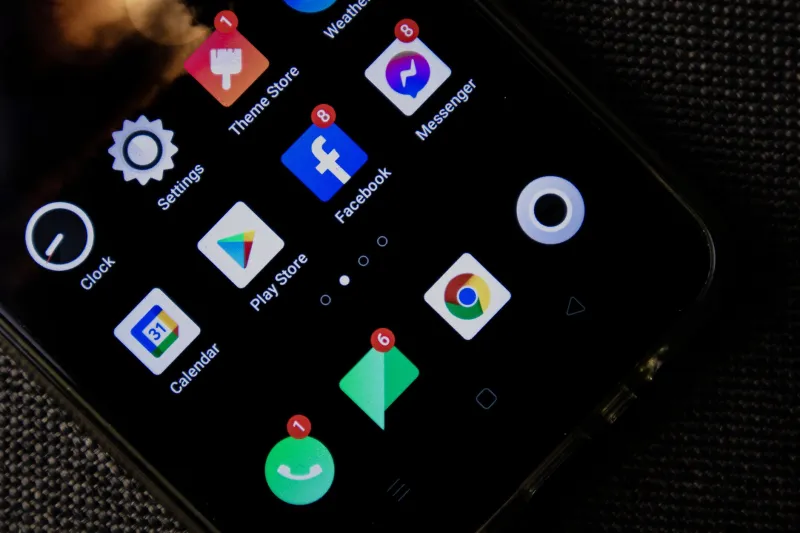
Here's the darker layer of this: app developers know about habituation. They've known for a long time. The response from much of the industry hasn't been to send fewer, more meaningful alerts — it's been to escalate. More urgent language. Red badges. Sounds designed to trigger mild anxiety. The implicit strategy is to stay just novel enough, just alarming enough, to keep breaking through your brain's defenses.
But there's a ceiling on how long that arms race can go on before the brain wins. And for most of us, the brain has already won — or lost, depending on how you look at it. We've habituated to the escalation itself.
The Real Cost of Tuning Out
Notification blindness feels, on the surface, like a coping mechanism. And in some ways it is. But there's a hidden cost that doesn't show up immediately.
When your attention threshold rises high enough that routine alerts don't register, the genuinely important ones get swept up in the same dismissal. A message from a family member dealing with an emergency. A time-sensitive work email. A security alert on a financial account. These don't arrive with a special signal that tells your brain "this one is different." They look, structurally, exactly like everything else.
There's also a subtler cost: the chronic low-grade cognitive load of partially processing things you're technically ignoring. Research on attention suggests that even stimuli we don't consciously register still consume some mental resources. Your brain is doing work to dismiss all those alerts, even when it feels effortless. That work accumulates. It contributes to the background exhaustion that so many people describe as just "how it feels to be alive" in 2024.
Resetting Your Attention Threshold
The good news is that habituation works in reverse. When you remove the flood of low-value stimuli for long enough, your sensitivity to meaningful signals starts to recover. Your attention threshold drops back down to a level where important things actually land.
Here's a practical framework for getting there:
Do a hard audit, not a soft one. Go into your phone's notification settings — not the individual app settings, but the system-level view that shows every single app that has permission to contact you. Most people are surprised by how long that list is. The goal isn't to trim a few apps; it's to flip the default. Start with everything off, and only restore notifications for apps that have a genuine, demonstrated reason to interrupt you.
Separate channels by urgency. One approach that works well is reserving actual push notifications for one category of thing: direct human communication. Texts, calls, maybe one messaging app. Everything else — social media, news, games, shopping, productivity tools — gets checked on your schedule, not theirs. You're essentially rebuilding the distinction between "someone is trying to reach me" and "an algorithm decided now was a good time."
Give your brain a genuine quiet period. Habituation reversal takes time, and it requires actual silence — not just fewer alerts, but a stretch of days where your phone isn't constantly pinging. Even a week of dramatically reduced notifications can begin to recalibrate your sensitivity. Think of it as clearing the cache on your attention system.
Audit again in 30 days. Notification creep is real. Apps update and re-request permissions. New apps get installed with defaults you didn't choose. A monthly check-in keeps the list from quietly expanding back to where it started.
The Zen of Being Reachable
There's something worth sitting with here. The goal isn't to become unreachable or to live in a notification-free vacuum. It's to restore the actual meaning of an alert — the sense that something is genuinely trying to get your attention for a good reason.
When every app treats itself as urgent, nothing is urgent. When you reclaim the right to decide what earns your attention, the things that actually matter start to feel like they matter again. A message from someone you love lands differently when it isn't buried under a pile of streak reminders and promotional offers.
Your brain didn't give up on your notifications out of laziness. It was protecting you from an unreasonable volume of demands. The move now is to make the demands reasonable — so your brain doesn't have to choose between overwhelm and shutdown.
That's not just better digital hygiene. It's a quieter, more intentional way to move through a world that's been engineered to keep you perpetually on edge.