The 8 PM Switch-Off: What One Screen-Free Hour Does to Your Evenings
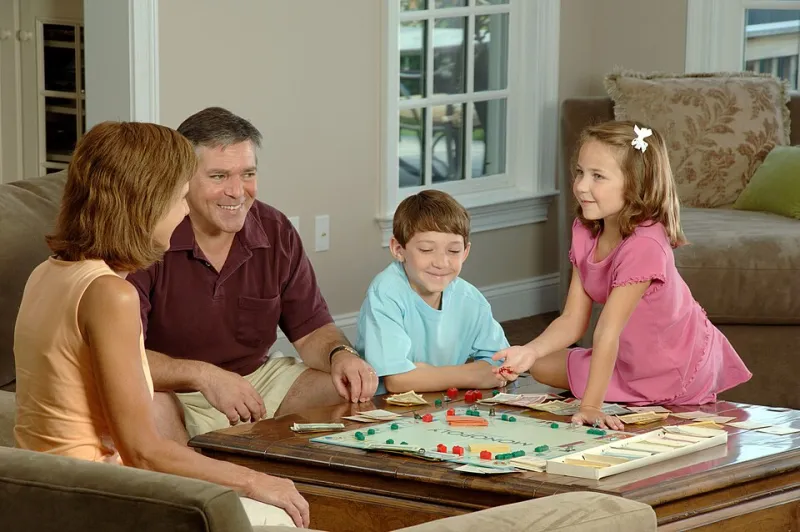
Photo: Bill Branson (Photographer), Public domain, via Wikimedia Commons
Here's the problem with most screen-time advice: it asks you to make a decision at the exact moment your willpower is at its lowest. It's 9:47 PM, you're tired, and your brain is holding the phone like a stress ball. Maybe just ten more minutes.
A hard rule beats a soft intention every time. That's the idea behind the analog hour — one recurring, non-negotiable block each evening where screens simply don't exist. Not muted. Not dimmed. Not "just for checking the weather." Gone.
Why Time-Boxing Beats Tracking
Screen-time dashboards tell you what already happened. They're autopsies, not prevention. And research on habit formation keeps pointing to the same thing: constraints that are specific and repeatable stick better than abstract goals. "Use my phone less" is a wish. "From 8 to 9 PM, no screens" is a rule your brain can actually encode.
There's a second benefit that gets less attention: the box has edges. When you know the offline hour ends at 9, you don't feel like you're giving something up forever. Paradoxically, the finite nature of the commitment is what makes it sustainable. Monks take vows; the rest of us need a timer.
Making It a Household Ritual
Going solo is fine, but the analog hour gets easier — and better — with company.
- Pick the hour together. For families with kids, right after dinner often works. For couples, the window between the last work email and the wind-down routine is a sweet spot.
- Create a landing zone. A basket by the door or a drawer where devices go. Physical relocation matters more than you'd think; a phone on the counter across the room exerts far less pull than one on the couch cushion.
- Have a default activity. The first week, everyone wanders around like they've forgotten how limbs work. Have a puzzle going, a deck of cards out, a record spinning. Give the hour a shape.
- Let kids enforce it. Nothing keeps parents honest like a seven-year-old who spots you glancing at your watch and calls it out. In the best way, they become the ritual's guardians.
What Thirty Days Actually Feels Like
Ask people who've stuck with the practice for a month and a pattern emerges. The first week is genuinely uncomfortable — a low-grade itch, phantom reaches for a phone that isn't there. Around day ten, something shifts: the hour stops feeling like deprivation and starts feeling like the evening's main event rather than the dead zone between scrolling sessions.
By week four, the reports get almost boringly consistent. People read actual books again. Conversations with partners get longer and stranger and better. Sleep comes easier, partly because nobody's mainlining blue light at 10:15. One reader described it as "remembering my living room." Another said the hour became the only part of the day she didn't feel behind in.
The quiet surprise: nobody misses much. The group chat survives. The scores get looked up later. The world, it turns out, holds.
Start Smaller If You Need To
If a full hour sounds impossible, steal a trick from the habit-building playbook: start with twenty minutes and stretch it every few days. The length matters less than the consistency. Same hour, same rule, every day, until the ritual runs itself.
Your evenings are the only truly unclaimed time most of us have. Guarding one hour of it isn't digital asceticism. It's just good boundaries — with a timer.